Can Kids Enjoy a Fishing Trip Near Daytona Beach?
Most parents assume fishing trips are just for adults with patience and experience. Kids get bored, lines get tangled, and nobody catches anything. But that's only true if you pick the wrong spot or show up unprepared. If you're staying in Daytona Beach, the best fishing experience for families is actually a short drive south to Port Canaveral. Our fishing trips depart from Port Canaveral, where you'll find calmer waters, professional crew, and a boat designed specifically for family-friendly fishing. If you're wondering whether your kids can handle it, the answer is yes — as long as you set them up right, and that starts with choosing the right departure point.
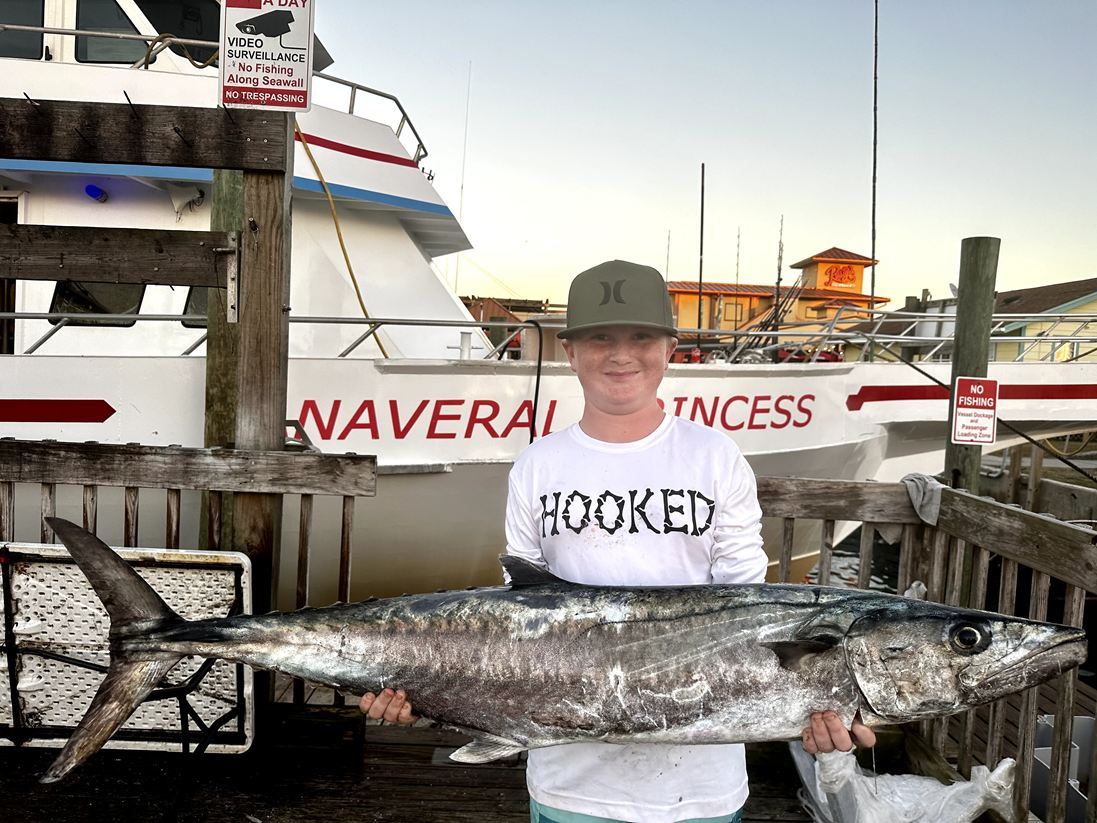
The key isn't lowering expectations. It's choosing the right location, keeping the setup simple, and making sure the experience doesn't drag on longer than their attention span. When you do that, fishing becomes less about sitting still and more about movement, discovery, and the rush of pulling something real out of the water. That's what hooks kids. Not the lecture about patience. And when you fish out of Cape Canaveral on a proper offshore boat instead of trying to make it work from shore, you're giving them the best shot at real action.
Why Port Canaveral Works Better for Young Anglers
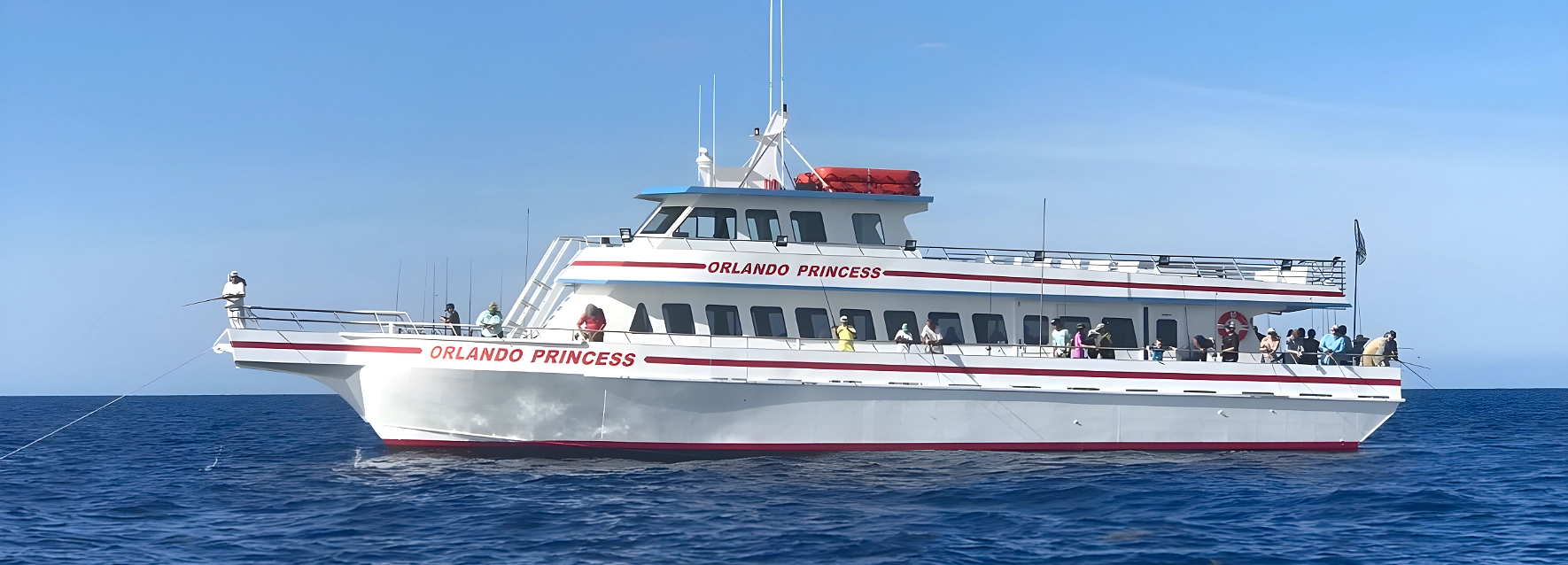
While Daytona Beach offers beautiful oceanfront views, Port Canaveral sits at the intersection of deep channels, productive reefs, and accessible offshore waters that are perfect for kids. Our fishing trips depart from Cape Canaveral, just a 30-minute drive from Daytona Beach, and give you access to variety that land-based fishing simply can't match. The boat provides shade, bathrooms, safety railings, and professional crew who know how to keep kids engaged.
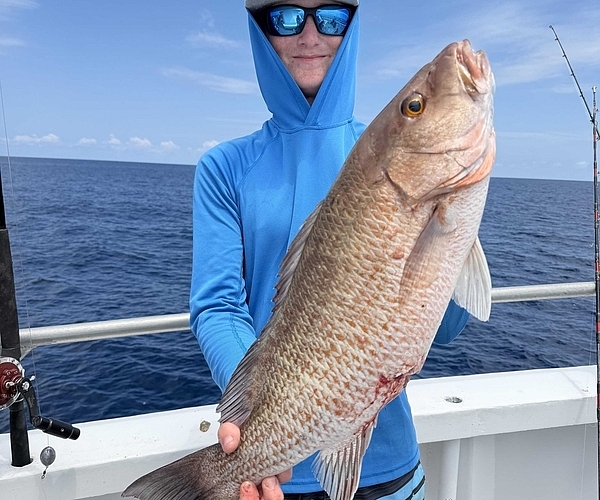
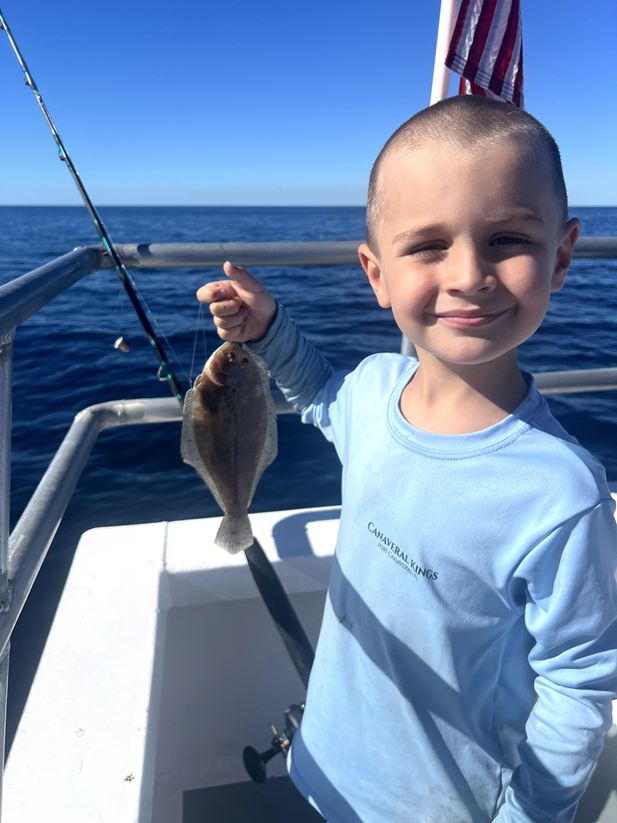
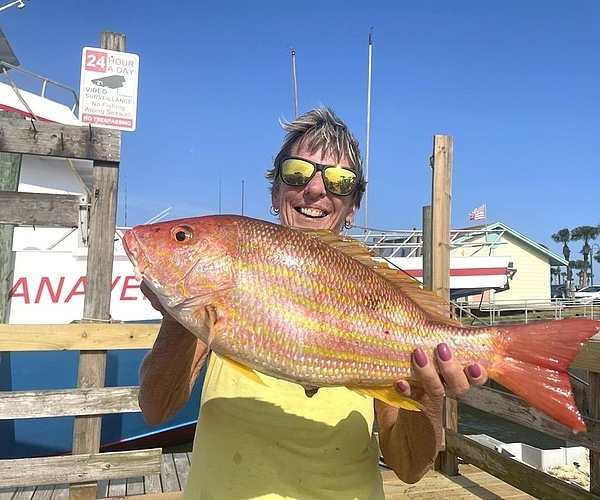
The weather cooperates most of the year, and the fish populations stay active across seasons. Snapper, grouper, kingfish, and flounder all hang around these waters. For beginners, that diversity means more chances to hook something — and more chances mean kids stay engaged instead of zoning out after twenty minutes of staring at still water. Fishing from a boat out of Port Canaveral removes the limitations of land-based fishing and puts your family directly where the fish are.
Why a Boat Trip Beats Land-Based Fishing for Families
Trying to fish from land in Daytona Beach has its challenges, but when you're fishing with kids, a professional boat trip departing from Port Canaveral offers advantages that other options can't match. You're not stuck in one spot hoping fish swim by. The captain moves to productive areas based on what's biting that day. Kids get to see the boat work, watch the action unfold, and experience fishing as an adventure — not a waiting game.
Our trips provide all the gear sized for young anglers, so you're not guessing what to buy or how to rig it. The crew handles the technical parts while kids focus on the fun parts — casting, reeling, and landing their catch. When fish stop biting in one area, we move. That keeps energy up and prevents the dead time that kills enthusiasm. It's a 30-minute drive from Daytona Beach that transforms the entire experience.
- Professional crew: Experienced captains and mates who know how to work with kids and keep them safe.
- All gear provided: Rods, reels, bait, and tackle sized appropriately for young anglers.
- Mobility: Move to where the fish are instead of being stuck in one spot on land.
- Comfort and safety: Shaded areas, bathrooms, railings, and a stable platform designed for families.
- Consistent action: Target species that bite often and keep kids engaged throughout the trip.
What Actually Keeps Kids Interested
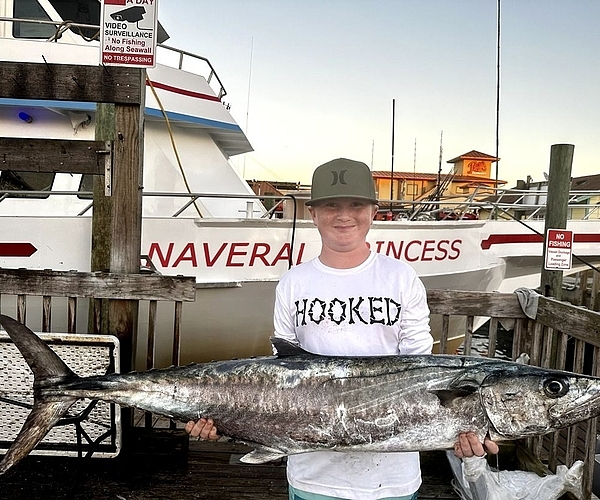
Kids don't care about technique or the zen of waiting. They care about action. That means fishing where bites come frequently, even if the fish run small. A dozen decent catches beat one trophy that takes three hours to land. Our fishing trips departing from Cape Canaveral focus on putting kids on fish that actually bite — species like snapper, grouper, and kingfish that provide real fights and frequent action.
Beyond the mechanics, being on a boat gives kids a front-row seat to marine life. They experience the ocean in ways that land visits can't provide. They learn which species live where and why some fish fight harder than others. That's education without feeling like school, and it sticks because they're holding the evidence in their hands.
How to Set Them Up for Success
Complicated gear kills momentum. Kids need equipment that matches their size and strength, and our crew provides exactly that. We set up rods that work for younger anglers — easy to cast, manageable to reel, and forgiving when technique isn't perfect yet. We keep rigging straightforward so more time goes to fishing and less to untangling or retying.
Timing matters too. Early morning and late afternoon bring the most activity, but mid-morning works fine when the captain knows where to fish. Our half day fishing trips departing from Port Canaveral provide real fishing time without pushing past the point where kids start asking when you're leaving. It's a manageable drive from Daytona Beach for a morning departure, and you're back in time for lunch or other afternoon activities.
- Age-appropriate gear: Rods and reels matched to size and strength, provided by our crew.
- Simple rigging: Basic setups that work without constant adjustments or complicated techniques.
- Frequent bites: Targeting species that bite often keeps energy up and frustration down.
- Short sessions: Half-day trips provide plenty of action without exhausting young anglers.
- Professional guidance: Crew members who know how to help kids without overwhelming them with information.
Safety Without the Lecture
Water, sun, and hooks all require attention, but you don't need to turn the trip into a safety seminar. Our boat is equipped with proper safety gear including life jackets sized for all ages. Sunscreen gets applied before you leave your Daytona Beach hotel, then reapplied every couple hours. Hats, sunglasses, and plenty of water keep kids comfortable without needing constant reminders.
Hooks deserve respect, not fear. Our crew shows kids how to handle them, keep hands clear when someone's casting, and never yank a line if it's snagged. Most injuries happen from rushing or careless grips, not from the fishing itself. The boat's design includes railings and non-slip surfaces that make moving around safer than other fishing environments.
- Life jackets: Required and properly fitted, we carry sizes for every age group on board.
- Sun protection: Apply sunscreen early, bring hats and UV-blocking shirts, reapply every two hours.
- Hook handling: Crew shows proper technique and stays close to help when needed.
- Hydration: Bring more water than you think you'll need, especially in Florida heat.
- Supervision: Professional crew maintains awareness while giving kids space to learn and work independently.
Why Professional Trips Work Better for Families
Trying to fish on your own from Daytona Beach means handling navigation, gear, bait, rigging, and safety all at once. That's a lot to manage while trying to make sure everyone has fun. Our fishing trips departing from Port Canaveral remove most of that burden. The captain handles where to go and when to move. The crew manages gear and helps with technique. Parents get to focus on their kids instead of troubleshooting problems.
Our boat targets species that bite often and fight hard enough to feel rewarding. We fish areas where conditions stay manageable and seasickness rarely becomes an issue. The trips stay short enough to hold attention but long enough to feel like a real fishing experience. That balance matters when you're trying to create positive memories instead of endurance tests. And the 30-minute drive from Daytona Beach is a small trade for a significantly better fishing experience.
- All logistics handled: Navigation, gear, and positioning all managed by experienced crew.
- Family-focused approach: Trips designed around what works for kids, not just what catches the biggest fish.
- Hands-on experience: Crew members explain what's happening and why, turning fishing into learning.
- Flexible pacing: Adjust based on energy levels and what's working, not rigid schedules.
- No equipment investment: Everything provided means you're not buying gear for a hobby your kids might not stick with.
Building Momentum Beyond One Trip
One successful outing plants the seed. If your kids leave excited, they'll ask to go again. That's when fishing stops being a vacation activity and starts becoming something they actually want to do. Taking them on professional trips departing from Cape Canaveral while they're learning builds confidence without the frustration of trial and error on your own.
Don't overthink it. Let them get comfortable with the basics first. As they gain experience, they'll ask more questions and want to understand more about why we fish certain ways. Fishing sticks when it feels like their thing, not just something you dragged them into. At that point, the question isn't whether kids can enjoy fishing trips from Port Canaveral while staying in Daytona Beach. It's how soon you can get back out on the water.
Creating Experiences That Actually Matter
Fishing from Port Canaveral works because the environment cooperates and professional crews know how to make it work for families. Fish show up, access stays straightforward, and the learning curve doesn't require weeks of practice. Kids get hands-on time with something real, and parents get a break from screens without forcing boredom. That's rare. Most family activities either cater to adults or dumb things down so far that nobody's challenged. Fishing sits in the middle — approachable but still rewarding.
You don't need perfect conditions or expert-level skills. You need a good crew, proper equipment, and enough patience to let kids figure it out at their own pace. Do that, and the fish will cooperate more often than not. And when they do, you'll have kids who actually want to go again. That's the win. Not the size of the catch, but the fact that they're asking when you're heading back out. We operate from Cape Canaveral, just a short drive from Daytona Beach, and our boat brings families to productive fishing grounds where kids can succeed.
Ready to Make Fishing Memories?
Let's turn your next family outing into a day your kids will talk about for years. We know the best spots, the right gear, and how to keep young anglers engaged from the first cast to the last catch. Our fishing trips depart from Port Canaveral, just 30 minutes south of Daytona Beach. If you're ready to plan a trip that's fun for everyone, give us a call at 321-784-6300 or book now to reserve your spot. Let's get your crew out on the water and reel in some unforgettable moments together!
‹ Back
Recent Posts
-
-
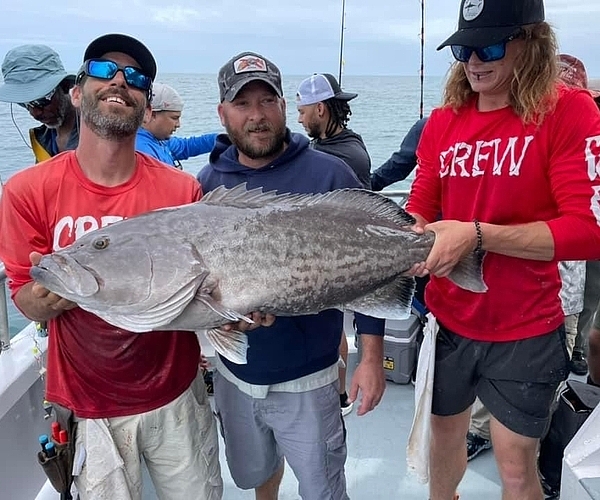
Can You Catch Grouper & Snapper Near Melbourne?
October 7, 2026
-
Planning a Fishing Day Near Cocoa Beach During Your Vacation
September 23, 2026
-
Can Kids Enjoy a Fishing Trip Near Daytona Beach?
September 9, 2026
-