Can You Bring Home Fish From a Port Canaveral Fishing Trip?
Most anglers think a fishing trip is just about the fight and the photo. Reel it in, snap a pic, move on. But the Florida Fish and Wildlife Conservation Commission sees more than that — and if you don't, you're asking for a citation. Your catch may not seem like a legal matter, but it leaves a footprint the moment it crosses the rail. Especially if you're hauling home a cooler full of fillets or crossing state lines with your haul.
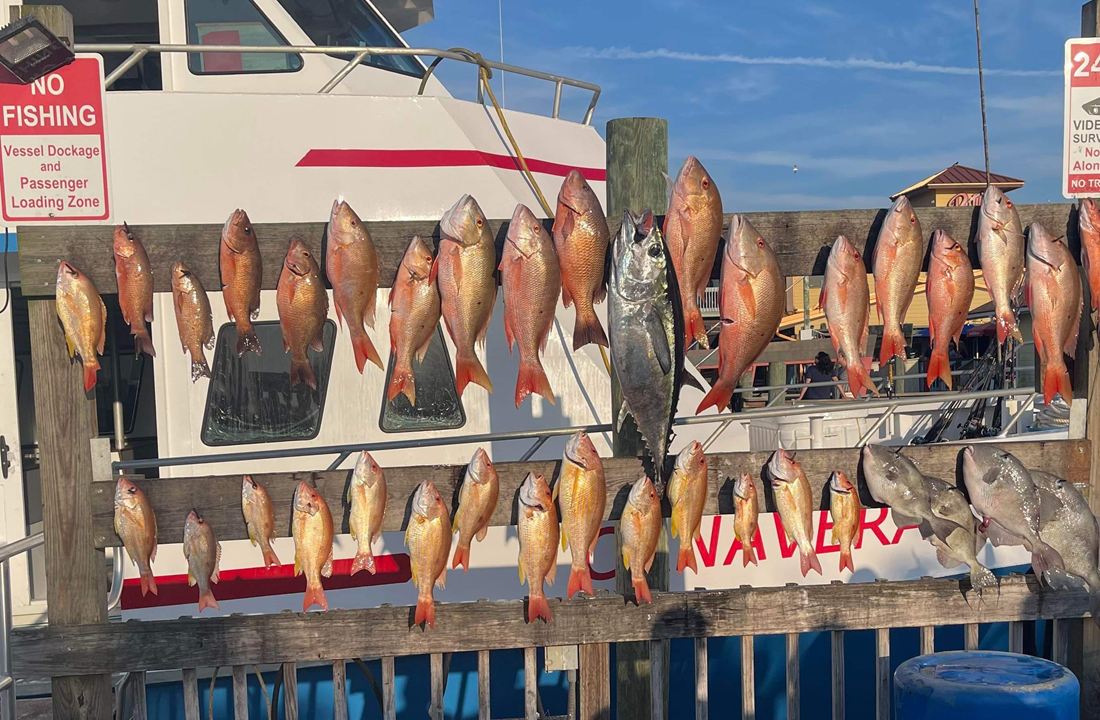
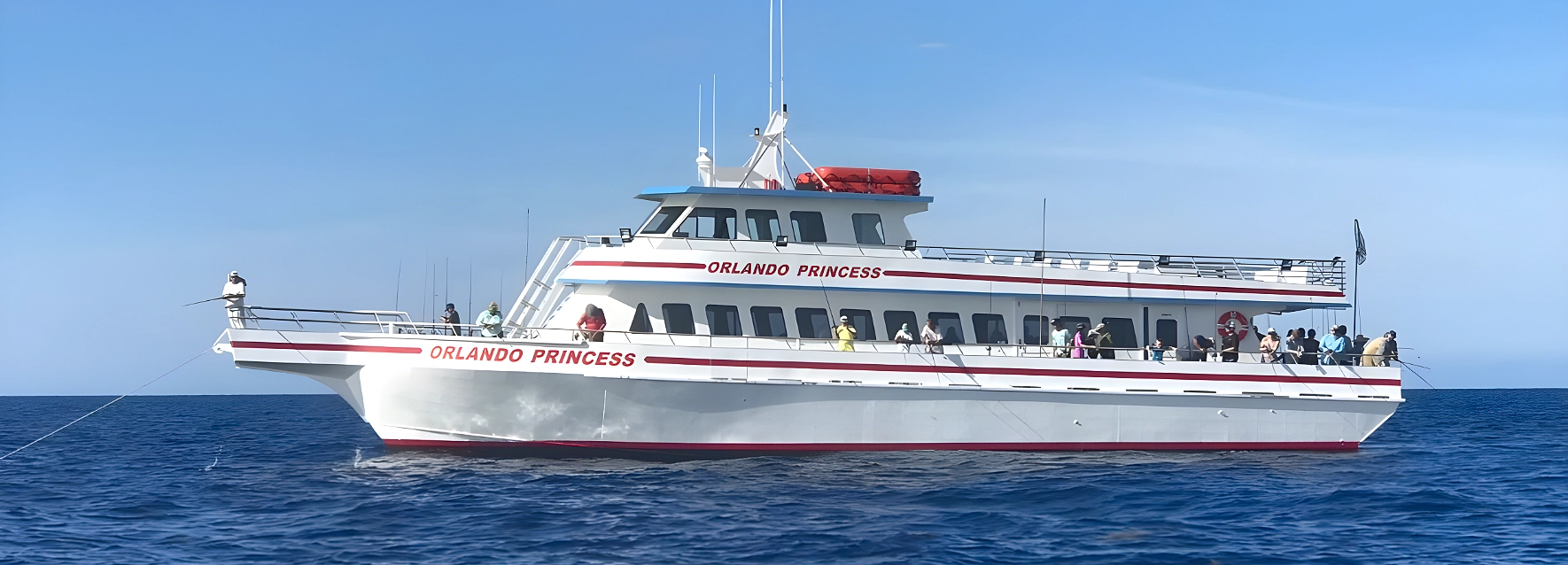
So here's the reality. If you're booking a fishing trip out of Port Canaveral to bring home dinner, that's fine. Just don't treat those regulations like suggestions. Every species has limits. Every fish should meet the minimum size. And every decision about what goes in the cooler should be grounded in what the law allows — not just what fits on ice.
State Rules Aren't Optional
Florida doesn't care how far offshore you went or how hard you fought that kingfish. What matters is whether you followed the size chart, respected the bag limit, and stayed within season dates. The FWC updates these rules constantly based on stock health and environmental factors. Snapper might be open this month and closed the next. Grouper seasons shift. Mahi limits can vary by zone.
We've seen plenty of anglers assume their captain handles compliance — and sometimes they do. But the responsibility still falls on you if you're the one hauling fish off the dock. If you're keeping anything, know the rules before the line gets wet. That means checking the FWC website, asking your captain directly, or picking up a regulation guide at the marina. Ignorance doesn't hold up when enforcement shows up.
The License Question Gets Misunderstood
Passengers fishing from a licensed vessel don't need their own recreational license. The boat's coverage extends to everyone onboard who paid for the trip. But step off that boat and onto a pier or your buddy's vessel? You'll need a license in hand. Same goes if you're fishing from a kayak or wading the flats near the port.
Out-of-state visitors face the same requirements. Florida sells short-term licenses that cover a few days or a full week, and they're available online or at most bait shops. Skip this step and you're looking at fines that'll cost more than the license ever would have. Many anglers wonder about licensing requirements for deep sea fishing when planning their trip.
Your Catch Doesn't Clean Itself
Most fishing operations offer cleaning and filleting services right at the dock. They'll gut, scale, and bag your fish so it's ready for the freezer or the grill. This isn't always included in your trip cost, and tipping the crew for the work is standard practice. If you're fishing independently, you'll need to handle it yourself or find a cleaning station nearby.
Either way, keep your fish cold. Florida heat turns fresh catch into a health risk faster than most people expect. A quality cooler with plenty of ice isn't optional — it's the baseline. And if you're transporting fillets, make sure they're identifiable. The skin needs to stay on until you're home, or you risk a violation if an officer can't confirm the species or size.
Bag Limits Aren't Suggestions
How much you can keep depends entirely on what you're targeting. Some species allow generous limits. Others cap you at one or two per person per day. And certain fish are catch-and-release only, depending on the season or the area you're fishing.
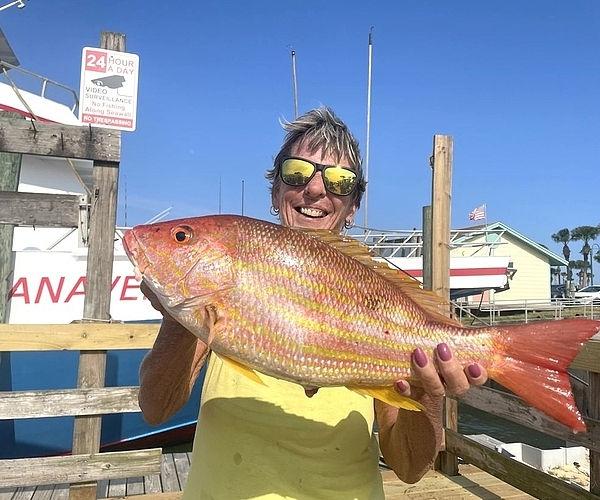
- Snapper: Highly regulated with narrow seasons and strict limits when open, varies by species.
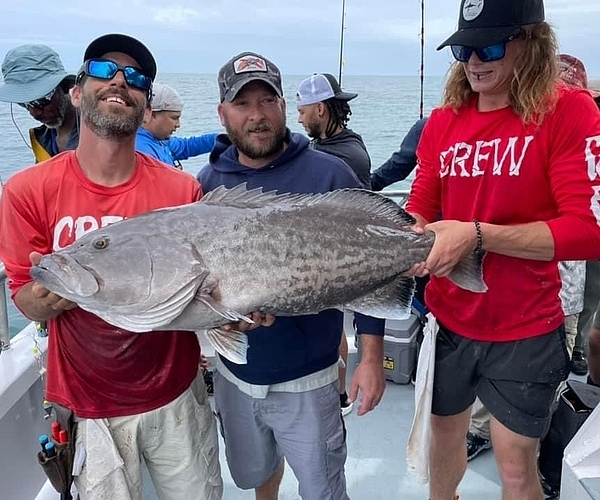
- Grouper: Varies by species and zone, with some areas closed year-round and others rotating by month.
- King mackerel: Generally allows two or three per person, but size minimums apply.
- Mahi-mahi: More lenient limits, but still subject to size rules and seasonal adjustments.
- Various inshore species: Highly protected in certain areas, with slot limits and seasonal closures.
Crossing State Lines Changes the Game
Visitors from out of state can absolutely fish Florida waters and bring their catch home. But once you cross back into Georgia, Alabama, or anywhere else, you're subject to that state's import rules. Some states restrict certain species. Others require proof of legal harvest, especially for regulated fish like snapper or grouper.
We've seen anglers get jammed up at state lines because they didn't keep their FWC paperwork or couldn't prove their fish were legal size when caught. If you're traveling far, document everything. Take photos with a measuring tape. Keep your fishing trip receipt. It's overkill until it's not.
What Happens When You Ignore the Rules
FWC officers patrol the docks, boat ramps, and cleaning stations around Port Canaveral. They check coolers. They measure fish. They ask questions. And if something doesn't add up, they write citations that can run into the hundreds or thousands of dollars depending on the violation.
Keeping an undersized fish might seem minor, but it's not treated that way. Neither is exceeding your bag limit or possessing a fish during closed season. These aren't warnings. They're enforcement actions with real financial consequences and potential impacts on your ability to fish in the future.
How to Handle Your Haul the Right Way
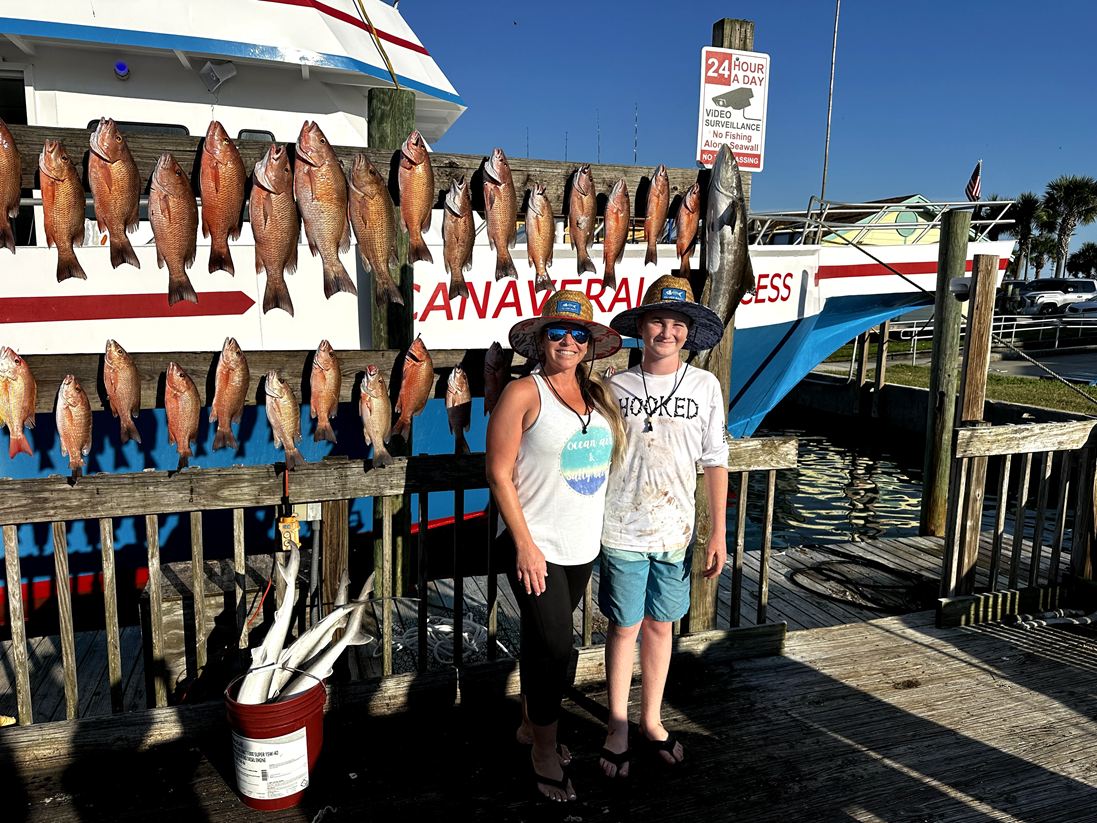
Bringing fish home from Port Canaveral isn't complicated, but it does require attention to detail. You'll need the right gear, the right knowledge, and the discipline to stay within the boundaries.
- Verify current regulations: Check the FWC site or ask your captain before you keep anything.
- Measure every keeper: Use a proper measuring device and know whether it's fork length or total length.
- Count your bag carefully: Don't assume your group can pool limits unless the rules explicitly allow it.
- Keep fish cold and intact: Ice down your catch immediately and leave skin on fillets for identification.
- Dispose of waste correctly: Use designated cleaning stations and never dump remains in the water near the dock.
Where Most Anglers Slip Up
The biggest mistake we see is assuming all the rules are the same as last year — or last month. Florida's fishing regulations are fluid. Seasons open and close. Limits tighten or loosen based on stock assessments. What was legal in June might not be in July.
Another common error is misidentifying species. A lot of fish look similar, especially to newer anglers. Confusing a gag grouper with a black grouper, or a mangrove snapper with a lane snapper, can mean the difference between a legal catch and a violation. When in doubt, ask someone who knows or release the fish. Understanding the target species in local waters helps prevent these costly mistakes.
What Your Captain Should Be Doing
A good captain stays current on every regulation and communicates limits clearly before the trip starts. They'll measure fish for you, advise on what to keep, and handle any gray areas with caution. If your captain isn't doing that, it's a red flag.
- Pre-trip briefings: Captains should explain species limits, size rules, and seasonal closures.
- Onboard measuring tools: Every fishing boat should have proper measurement devices and use them consistently.
- Knowledge of local zones: Different areas around Port Canaveral have different rules, and captains need to know where they're fishing.
- Honest enforcement: If a fish is borderline, a good captain errs on the side of caution and releases it.
Documentation Saves You Later
If you're serious about keeping fish, especially high-value or highly regulated species, document the process. Take photos with a ruler in the frame. Record the GPS coordinates if you're on your own boat. Keep your fishing trip receipt and any paperwork the captain provides.
This isn't paranoia. It's protection. If you ever face a question from an officer or need to cross state lines with your catch, having proof of compliance makes the interaction quick and painless. Without it, you're relying on goodwill and memory — and neither holds up under scrutiny. For first-time anglers, knowing what to expect on your first fishing trip can help you prepare properly.
Bringing It All Together
Hauling home a cooler full of fresh fish from Port Canaveral is one of the best parts of the trip. But it's only satisfying if you do it right. The regulations exist for a reason, and they're enforced consistently. We've watched too many anglers lose their catch, pay steep fines, or worse — all because they didn't take five minutes to confirm the rules.
Port Canaveral offers world-class fishing with access to species most anglers dream about. Respect the resource, follow the law, and you'll be back on the water with a clean record and a full freezer. Cut corners, and you'll pay for it in ways that make the whole trip feel like a waste. Whether you choose half day fishing trips or full day fishing trips, proper preparation ensures you can legally enjoy your catch and make the most of your time on the water.
Let's Make Your Next Fishing Trip Count
We know how much it means to bring home a legal, memorable catch from Port Canaveral—and we're here to help you do it right every time. If you want a fishing trip that puts your experience and compliance first, let's plan your next outing together. Call us at 321-784-6300 or book now to reserve your spot and fish with confidence.
‹ Back
Recent Posts
-
Can You Bring Home Fish From a Port Canaveral Fishing Trip?
November 18, 2026
-
Fishing Near Port Canaveral During Winter Break
November 4, 2026
-
-
Can You Catch Grouper & Snapper Near Melbourne?
October 7, 2026
-
Planning a Fishing Day Near Cocoa Beach During Your Vacation
September 23, 2026