Fishing Near Port Canaveral During Winter Break
Winter break fishing near Port Canaveral isn't just something to do when the beach is too cold. It's actually prime season for anglers who know what they're after. The Space Coast waters shift when temperatures drop, bringing species closer to shore and creating opportunities that don't exist in summer. Fewer boats clog the channels, the weather stays mild enough for comfort, and the fish? They're feeding hard before the water cools any further.
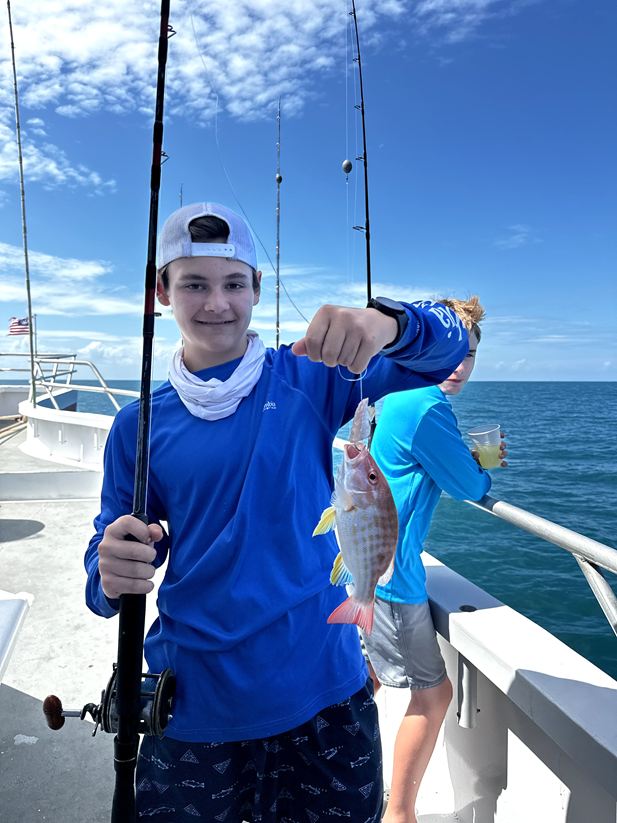
Most people think Florida fishing peaks in spring and summer. They're wrong. December through February offers some of the cleanest action you'll find all year — if you know where to look and what to throw. Port Canaveral sits at the intersection of deep offshore channels and shallow estuary systems, which means you've got options whether you're rigging for trophy fish or teaching kids how to set the hook.
The Water Gets Real When It Cools Down
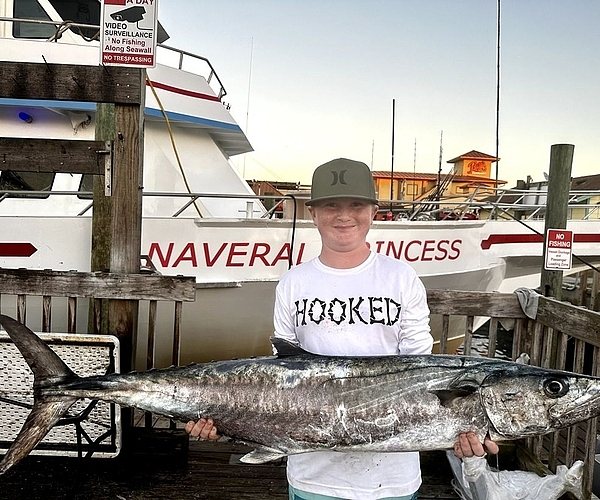
Cold fronts push bait closer to the coast, and predators follow. That's the simple version. What actually happens is more tactical. King mackerel start showing up offshore in numbers that rival spring runs. Sailfish cruise the edge of the Gulf Stream looking for easy meals. Closer to the jetties, sheepshead stack up around pilings and rocks, and black drum move into the shallows where water holds just a bit more warmth.
The timing matters too. Right after a front passes, fish can go quiet for a day or two. But once the system clears and water temperatures stabilize, feeding windows open up fast. That's when you want to be on the water — not sitting at home waiting for perfect conditions that never come. Year-round Cape Canaveral fishing rewards those who show up ready to adapt.
What Actually Bites During Winter Break
Offshore anglers chase kings, cobia, and the occasional sailfish. These aren't lazy catches. They fight, they run, and they'll test your drag system if you're not paying attention. Inshore waters around the jetties and inlet hold plenty of action as well. Fish are less aggressive than summer patterns, but they're there if you slow down your retrieve and work the structure.
The jetties produce year-round, but winter is when sheepshead fishing gets serious. They've got small mouths and they're picky, so if you're not using fiddler crabs or barnacles, you're wasting time. Black drum also cruise the jetties and inlet, often in schools that'll keep you busy for hours if you find them. Surf fishing picks up too — pompano, whiting, and bluefish all move through the beach zone during winter months.
Ways to Get on the Water
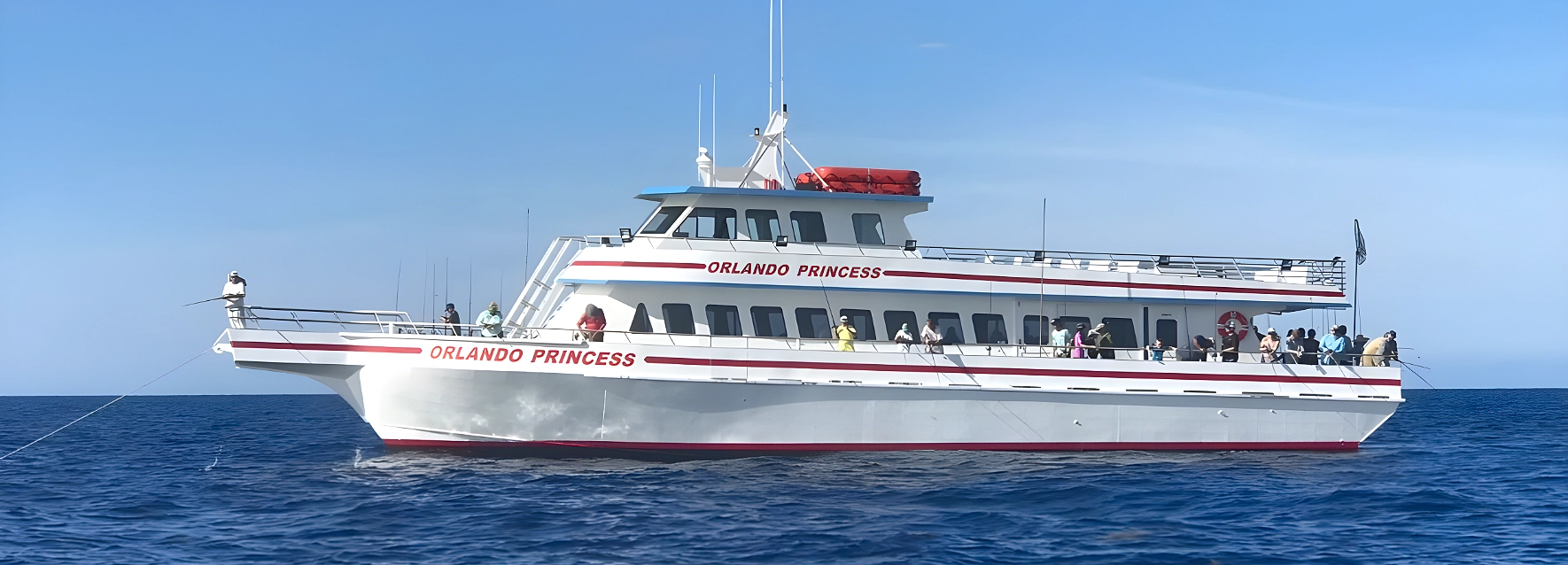
Fishing trips are the fastest route if you're short on time or unfamiliar with the area. Captains know the patterns, have the gear dialed in, and can put you on fish without the guesswork. Half-day fishing trips work for families or beginners. Full-day offshore runs are for those who want to grind for bigger species and aren't worried about a long day on the water.
The Port Canaveral Jetty Park Pier is a solid land-based option. You don't need a boat, the structure draws fish, and you're fishing Atlantic water without launching anything. It's a go-to spot for sheepshead, jacks, and the occasional tarpon if conditions line up. Kayak fishing in the Banana River or Indian River Lagoon gives you access to backcountry waters with almost no competition. These zones stay calm even when offshore conditions blow out.
- Fishing trips: Best for targeting specific offshore species with experienced guidance and all gear provided
- Pier fishing: No boat required, great for families, and productive for jetty species like sheepshead and black drum
- Kayak fishing: Access shallow lagoon systems without the noise of a motor
- Surf fishing: Work the beach breaks for pompano and whiting using sand fleas or cut bait
- Wade fishing: Walk the flats during low tide and sight-cast in skinny water
What Works and What Doesn't
Shrimp is the universal bait that covers most inshore and nearshore species. Fiddler crabs will outfish everything else when sheepshead are the target. Artificial lures work well if you're throwing soft plastics in natural colors and keeping your presentation slow. Offshore, bait rigs or trolled spoons pick up kings and cobia when you're covering water.
Don't overcomplicate it. Match your tackle to the species, use fresh bait, and fish structure — rocks, pilings, grass edges, drop-offs. That's where fish stage during winter because that's where the food is. If you're not getting bites, move. Sitting on dead water hoping things change is a waste of daylight.
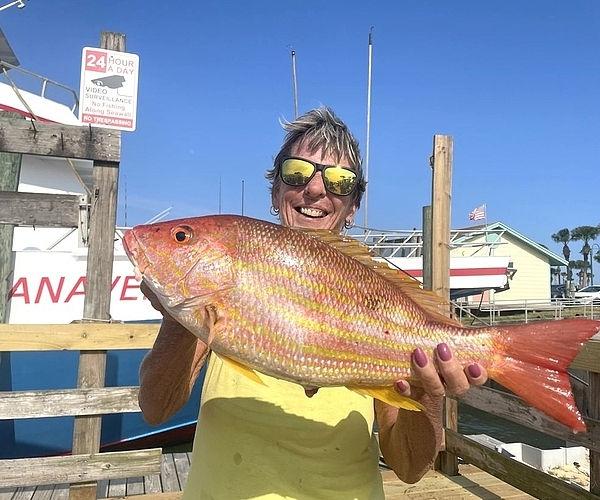
- Shrimp: Universal bait for snapper and most inshore species
- Fiddler crabs: Top choice for sheepshead and black drum around jetties and structure
- Soft plastics: Work well when retrieved slowly along grass flats
- Cut bait: Effective for surf fishing and bottom fishing when targeting drum or catfish
- Trolling lures: Cover offshore water efficiently for kings, cobia, and other pelagic species
Mistakes That Cost You Fish
Showing up without checking the wind forecast is a rookie move. Winter fronts can blow out offshore trips and make kayak fishing dangerous. Always know what's coming and have a backup plan. Wearing cotton instead of layers will leave you freezing before noon. Mornings on the water can be cold, even in Florida, and once you're wet and shivering, the day's done.
Using summer techniques in winter doesn't work. Fish are slower, more cautious, and less aggressive. Speed up your retrieve or get sloppy with your bait presentation, and you'll watch other anglers land fish while you sit there wondering what's wrong. Also, ignoring regulations is just dumb. Size limits, bag limits, and closed seasons exist for a reason. If you're not sure, ask or look it up. Getting fined or losing your catch isn't worth it.
- Ignoring weather reports: Fronts bring wind, rough seas, and dangerous conditions fast
- Dressing wrong: Cotton gets cold when wet — layer with synthetic or wool materials
- Fishing too fast: Winter fish are lethargic and won't chase fast-moving baits
- Skipping structure: Open water holds fewer fish in winter — target rocks, grass, and drop-offs
- Breaking regulations: Know the rules for size, bag limits, and seasonal closures before you fish
Booking Smart and Staying Legal
Winter break is busy. If you're booking a fishing trip, reserve weeks ahead or risk losing your spot. Popular captains fill up fast, especially around holidays. Make sure the trip includes licensing if you don't already have a Florida saltwater license. Most do, but confirm before you show up. If you're fishing solo or from a kayak, you'll need your own license unless you're under 16 or fishing from a licensed pier.
Regulations vary by species, so don't guess. Some species have slot limits, others are often closed in winter, and some require special stamps or endorsements. Check the Florida Fish and Wildlife Conservation Commission site or ask locals. Getting it right the first time keeps you fishing and avoids unnecessary headaches with enforcement officers who patrol the area regularly.
- Book fishing trips early: Winter break fills quickly and top captains are reserved weeks in advance
- Confirm licensing: Make sure your trip includes a license or purchase one online before you go
- Know slot limits: Many species have specific size windows you must follow
- Check seasonal closures: Some fish are off-limits during winter months to protect spawning populations
- Carry proof of compliance: Keep your license and any required stamps on you while fishing
Keeping It Simple for Families
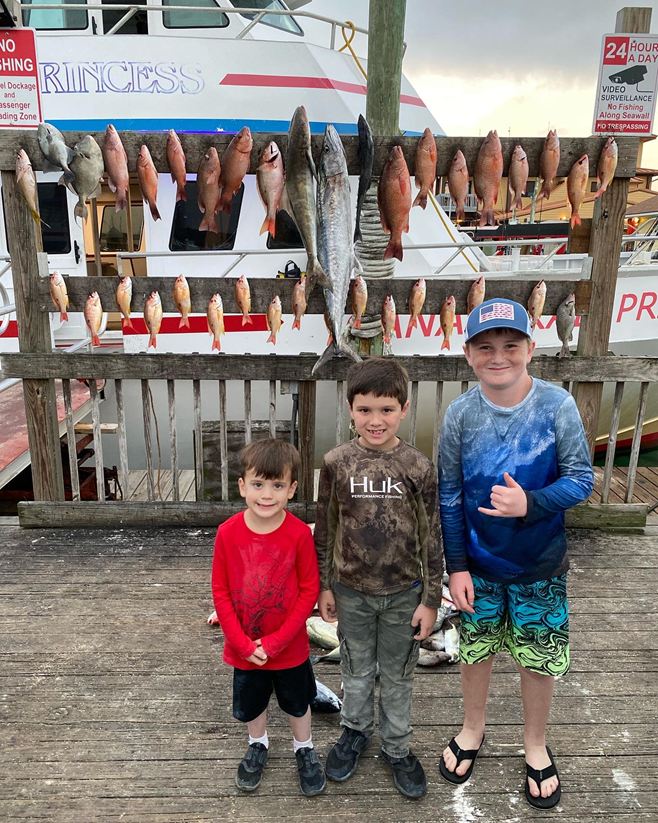
Not every trip needs to be hardcore. Plenty of fishing trips cater to kids and beginners, providing gear, instruction, and patience. The goal is fun, not filling a cooler. Pier fishing works great for families because it's accessible, safe, and doesn't require boating experience. Kids can catch fish and enjoy being outdoors without the pressure of a high-stakes offshore trip.
After fishing, the area offers plenty of other activities. Kennedy Space Center, Cocoa Beach, and local seafood spots make for easy transitions when the fishing day wraps up. Winter break near Port Canaveral doesn't have to be all or nothing. It's about getting outside, making memories, and maybe landing a few fish worth talking about later.
Show Up Ready
Winter fishing near Port Canaveral delivers if you're prepared to adjust. The fish are there, the weather cooperates more often than not, and the lack of summer crowds means more room to work. Whether you're grinding offshore for kings or teaching your kid how to land a sheepshead from the jetty, this is the season that rewards those who don't wait for perfect conditions. Pack the right gear for deep sea fishing, check the forecast, and get on the water. The fish won't wait, and neither should you.
Let's Make Your Winter Break Unforgettable
There's no better time to experience the thrill of fishing near Port Canaveral than winter break. Let's plan your next adventure together—whether you're after a trophy catch or just want a relaxing day on the water with family. Give us a call at 321-784-6300 to talk details, or book now and secure your spot for a memorable day on the Space Coast.
‹ Back
Recent Posts
-
Fishing Near Port Canaveral During Winter Break
November 4, 2026
-
-
Can You Catch Grouper & Snapper Near Melbourne?
October 7, 2026
-
Planning a Fishing Day Near Cocoa Beach During Your Vacation
September 23, 2026
-
Can Kids Enjoy a Fishing Trip Near Daytona Beach?
September 9, 2026